
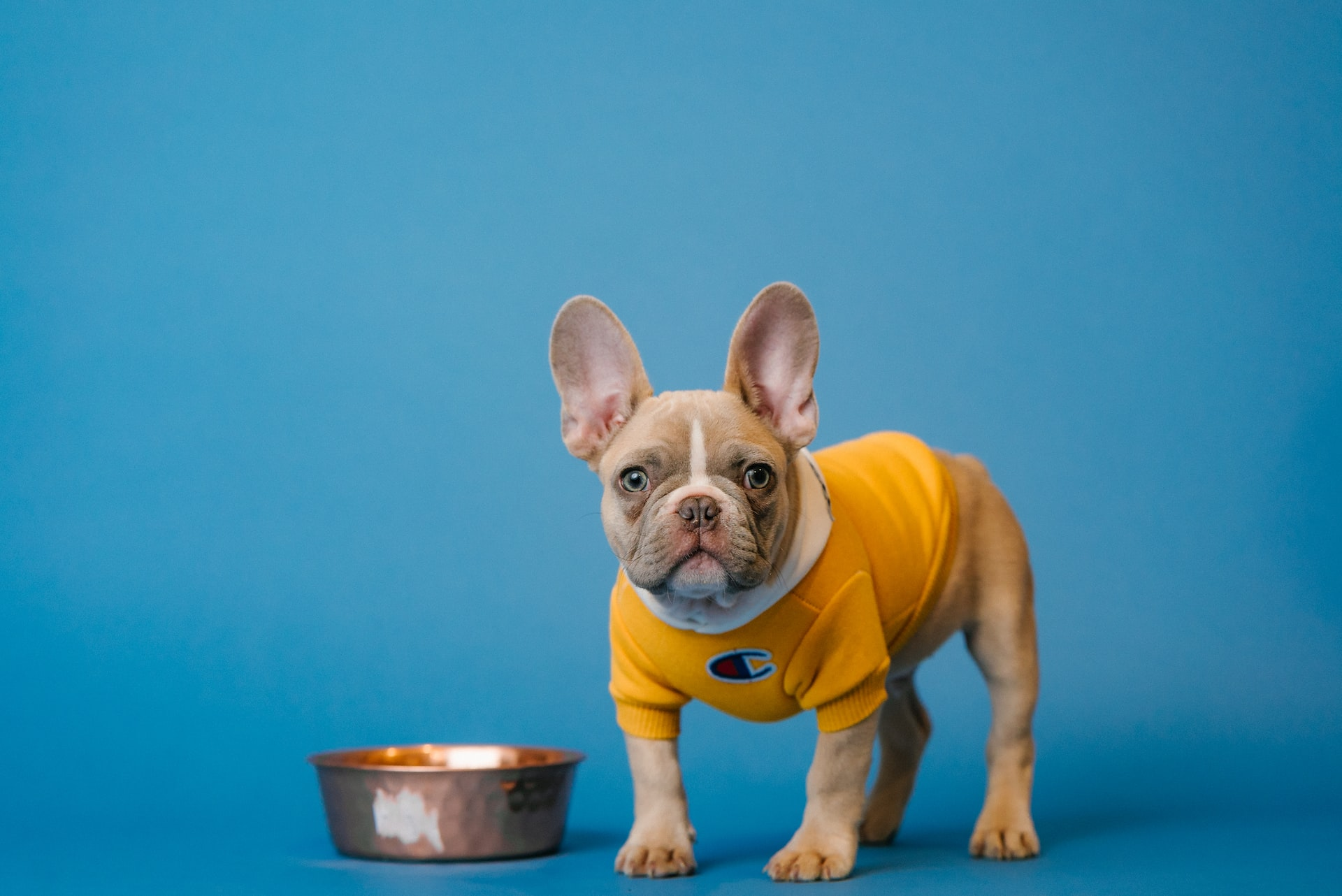
For many centuries, dogs have proven to be worthwhile companions. This friendship tempts dog owners to share their food with their four-legged friends. However, most human foods are dangerous to dogs, which could cost you valuable time at the pet hospital and destroy your dog’s health.
This article lists foods harmful to dogs, explaining why and what you should do if intoxication occurs.
Foods That Are Harmful To Your Dogs
1. Alcohol
Ethanol (ethyl alcohol) is found mainly in alcoholic beverages, syrup medications, hand sanitizers, mouthwashes, food flavorings, fermenting yeast bread dough, chocolates, etc.
Ingestion of ethanol in any form is dangerous to dogs. A tiny amount of ethanol can intoxicate your dog, cause organ damage, or kill it, depending on the concentration and size of your dog.
The lethal oral dosage of alcohol in dogs is 5.5 to 7.9g/kg of 100% ethanol, with one milliliter of ethanol equating to 0.789g.
For example, 1 liter of 5% beer contains 50ml, or 39g, of ethanol, which could be fatal to a dog weighing 7kg (15lbs) or less. Conversely, the same 15lb dog could hit the fatal range by ingesting as little as 100ml of a distilled spirit like vodka.
The most common symptoms of alcohol poisoning in dogs are incoordination, lethargy, recumbency, and vomiting. Adverse effects may include:
- Hypothermia (low body temperature)
- Hypoglycemia (low blood sugar)
- Hypotension (low blood pressure)
- Respiratory depression
- Low heart rate and heart attacks
- Diarrhea
- Acidosis
- Comma
- Tremors
- Death
What if you suspect your dog has taken alcohol?
Alcohol may enter your dog’s system through ingestion or dermal absorption, also known as a skin rupture. In case of dermal exposure, bathe your dog to prevent further absorption or ingestion through licking. Visit your veterinarian for an examination and professional management.
How to prevent alcohol exposure to dogs
- Keep all alcohol-containing products away from dogs
- Never leave alcoholic beverages unattended if you have dogs around
- Tell your guests to avoid giving drinks to dogs or locking the dogs away
- Swiftly get your dogs away from spills and clean up spillages
Avocado
Avocado contains a substance called persin, a natural antifungal element toxic to animals. Although dogs may resist persin, avocado is still harmful to them.
An avocado seed, known as a pit, can cause gastric or intestinal obstruction if ingested by a dog.
Avocado peels, leaves, and bark contain high levels of persin, which can cause stomach upset in dogs if consumed in large amounts. The lethal amount of persin isn’t known, but it can cause the following symptoms:
- Diarrhea
- Abdominal pain
- Vomiting
- Difficult defecation
- Myocardial damage (very rare)
Avocado flesh/pulp has high-fat content, which may cause gastrointestinal discomfort and pancreatitis in sensitive dogs after high consumption. It can also induce weight gain since it’s calorie-dense.
If your dog eats avocado flesh, watch it for 24-48 hours, reporting the signs to your vet. However, if it ingests avocado seed, many peels, or leaves, it is essential to take it for further examination and treatment by a veterinarian.
Chocolate
Chocolate constantly appears on ASPCA’s list of top 10 pet toxins yearly. Dogs love to eat chocolate because of its sweetness.
Chocolate contains two compounds, theobromine, and caffeine, which harm dogs. Dogs can’t metabolize the two compounds as efficiently as humans, causing them to accumulate and have serious side effects. Theobromine is the most poisonous of the two and is highly concentrated in dark chocolate, making it more dangerous than milk chocolate.
Mild to severe symptoms of chocolate intoxication occur within 6 to 12 hours and include:
- Restlessness
- Increased urination
- Vomiting
- Diarrhea
- Increased heart rate
- Muscle tremors
- Seizures
- Coma
- Death
Note that the rate of chocolate intoxication depends on a dog’s size. Thus, a tiny chocolate amount can adversely affect smaller dogs than larger ones.
What must you do if your dog eats chocolate? Consult your veterinarian immediately and keep the papers of the chocolate your dog ate.
Always keep all forms of chocolate away from dogs for their safety.
Corncob
As you enjoy your corn during summer, your dog may want you to share. Corn on the cob is harmless for dogs, but the cob of corn is dangerous. So you should avoid giving corn on the cob to dogs.
The cob of corn appears tough, but it’s fibrous at the center. Some dogs may attempt to swallow it and risk choking. Others may chew it into small pieces. However, corncob is indigestible and causes digestive blockage.
Signs that your dog has ingested cob include:
- Dehydration
- Repetitive vomiting
- Loss of appetite
- Bloating
- Strenuous pooping
- Lethargy
- Diarrhea
When you notice the above symptoms, seek veterinary assistance immediately.
Coffee
Dogs are more sensitive to caffeine than humans. Visible signs begin 30 minutes after ingestion and last 12 hours, depending on dog size, age, health status, and the amount. However, irrespective of a dog’s size or age, caffeine can impair major body organs and the central nervous system.
How are dogs exposed to caffeine?
- Lapping up spilled energy drinks, soda, coffee-flavored ice cream, and other tasty caffeine-containing beverages
- Over-the-counter medications, painkillers, energy-boosting products, and diet pills.
- Chocolate products, tea bags, coffee grounds, etc.
Common symptoms of caffeine intoxication
- Increased heart rate
- Restlessness
- Diarrhea
- Vomiting
- Tremors or seizures
- Death
For your furry friend’s safety, keep all caffeine-containing products away. If your dog ingests caffeine, call your vet immediately.
Garlic
Garlic, a species of the allium family, is suitable for humans but poisonous for dogs. It contains thiosulfate, which destroys red blood cells. Ingestion of large garlic amounts may trigger clinical signs within 24 hours, while small ingestion can delay the signs for up to one week.
Common symptoms of garlic intoxication
Anemia
- Lethargy
- Rapid breathing
- Pale mucous membranes
- Increased heart rate
- Weakness
- Pale gums
Gastrointestinal disturbances
- Vomiting diarrhea
- Abdominal pain
- Anorexia
Grapes and Raisins
While grapes and raisins are healthy snacks for humans, they are highly toxic to dogs.
Toxicity does not depend on dog age, breed, or size; even one grape or raisin may be fatal. Symptoms of toxicity include:
- Lethargy
- Vomiting
- Diarrhea
- Abdominal pain
- Excessive thirst
- Kidney failure (potentially fatal)
Veterinarians from ASPCA Poison Control Center (APCC) discovered after 20 years that toxicity was caused by tartaric acid in grapes. The toxic dose has been difficult to assess since the tartaric acid concentration in grapes varies with type, ripeness, and growing conditions.
Thus, keeping grapes, raisins, raisin-containing foods, and homemade play dough away from dogs is essential.
Macadamia Nuts
Macadamia nuts are often used in baked products such as cakes, muffins, cookies, and trail mix. A small amount of macadamia-containing foods will produce harmful effects on dogs.
Mild cases may clear up within a few days. The signs are weakness of the hind legs, vomiting, and diarrhea. Severe cases require veterinary assistance, and the symptoms include high fever, inability to walk, and constant shaking.
Rare cases of macadamia toxicity have caused pancreatitis, resulting in stomach pains and loss of appetite.
If you suspect your dog has consumed macadamia, contact your vet immediately. With timely treatment, your dog may recover fully within seven days.
Onions
Whether fried or powdered, raw or cooked, all parts of onions are toxic to dogs. They contain N-propyl disulfide, a compound that causes oxidative damage to red blood cells resulting in hemolytic anemia.
Onion toxicity may set in quickly if your dog consumes a considerable amount of onions at a time, ideally more than 0.5% of its body weight. On the other hand, toxicity can accumulate slowly in the blood if your dog eats small amounts for an extended period.
Symptoms of onion toxicity include:
- Loss of appetite
- Increased heart rate
- Reddish urine
- Pale gums
- Vomiting
- Diarrhea
- Lethargy
Onion toxicity in dogs can be fatal. Keep all forms and types of onions away and seek immediate vet help in case of consumption.
Tea Leaves
Tea leaves contain caffeine, which is harmful to dogs.
When a dog eats a tea bag, it risks intestinal obstruction, throat burns if the tea bag is hot, and caffeine from the tea leaves. Lapping up a little spilled tea may not be dangerous for your dog, but a considerable amount can cause caffeine toxicity.
Some kinds of tea, such as black tea, Earl Grey, green tea, oolong tea, and white tea, contain a higher caffeine content than others. Thus, it is essential to show your vet which type your dog consumed in case of toxicity.
Xylitol
Xylitol is a compound used as a sugar substitute in many products such as chewing gum, sugar-free ice cream, chewable vitamins, cough syrup, dietary supplements, over-the-counter medicines, baked products, etc.
Xylitol triggers a rapid insulin release from the pancreas. This causes extremely low blood sugar (hypoglycemia), which occurs 10-60 minutes after ingestion and, if untreated, hypoglycemia could be life-threatening to your dog.
Xylitol amount capable of causing toxicity has not been determined, since various products contain different levels. Generally, lower doses cause hypoglycemia, while higher levels cause liver failure.
The symptoms of xylitol poisoning are:
- Vomiting
- Incoordination
- Weakness
- Tremors
- Seizures or liver failure in severe cases
Bottom line
As the saying goes, knowledge is power. The above list demonstrates what foods to restrict your dogs from. Human food, most of the time contains too much salt and too much sugar which can raise a dog’s blood sugar levels. They can hurt your dog’s stomach and cause damage to its digestive system. Do not let your dog eat any of these to help you keep them safe, healthy, and happy.
You may also opt to use all-natural petcare products with 100% Pure. These tips can also save several vet trips and give you peace of mind.