
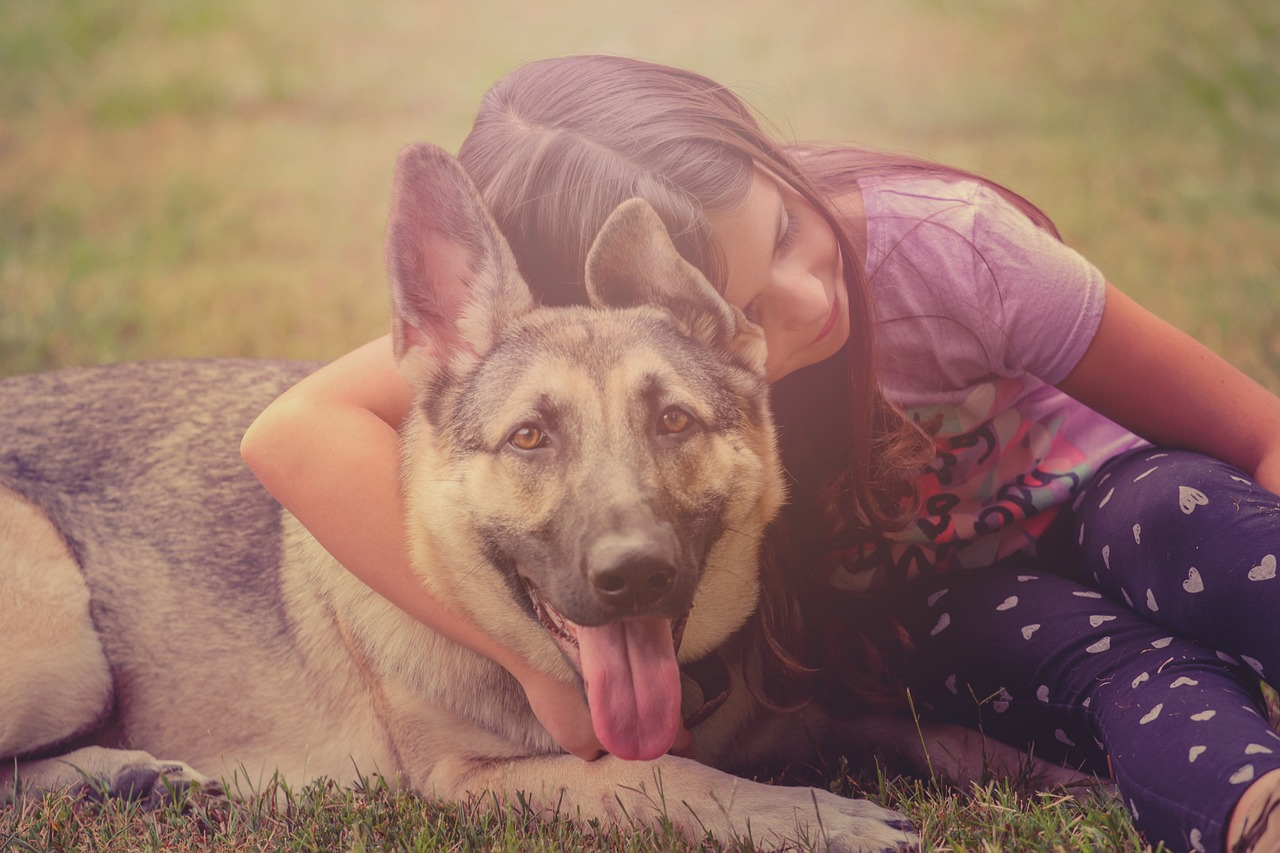
When we think of adopting a dog, it’s often for companionship and as pets. However, for people with disabilities, getting a dog may be necessary to enable them to have quality, everyday lives. Some dog breeds are trained to perform specific duties and can only be adopted as helpers or service dogs.
Great service dogs must have fundamental characteristics that set them apart from other dogs.
They must be intelligent, reliable, easy to train, social, attentive, of the right size, and have certain temperaments. Here is our list of 17 best dog breeds for people with disabilities.
17 Best Dog Breeds For People With Disabilities
1. Alaskan Malamute
The Alaskan Malamute look wolf-like and were initially bred in the Arctic as sled dogs. The Alaskan’s size and strength come in handy when helping their owners carry out unique tasks and assisting with mobility. As service dog breeds they will also comfortably help their owners with pushing and fetching the heavy stuff making them one of the best service dogs.
During the Second World War, Alaskan Malamutes were used as rescue dogs.
2. Belgian Malinois
Belgian Malinois is an intelligent, sensitive, and alert dog. Their sensitivity and alertness will aid their owners in being aware of anything unusual in their surroundings. Their protective instinct is indispensable in protecting their owners from any looming danger.
Belgian Malinois’ high energy levels will suit their owner’s daily routines and aid them in creating normality in their lives.
Belgian Malinois are consistent shedders.
3. Bernese Mountain Dogs
The Bernese Mountain Dog is a large variety of dog breeds with roots in Switzerland. They are excellent service dogs and can support an adult in a wheelchair and aid their mobility due to their size. If they find themselves in a risky situation, the Bernese is capable of pushing the wheelchair.
They are friendly dogs, so their owners won’t have to worry when out in public. But as friendly as they are, they aren’t easily distracted and will maintain a keen eye on their owners and the task at hand.
The Bernese mountain dog got its name from their origins in the Canton of Bern.
4. Collie
Collies are perfect emotional support dogs because they are sensitive, intelligent companion dogs with the ability to anticipate their owner’s needs. They can be as emotional support animals as they are trained to sense imminent seizures, helping people with Post-Traumatic Stress Disorder (PTSD) and other psychiatric illnesses.
Collies are also affectionate dogs and very loyal to their owners. Because of this, their owners won’t have to worry about aggression.
Collies are sensitive and can get depressed if they are rebuked or spoken too harshly.
5. Doberman Pinscher
The Doberman is athletic, alert, loyal, and intelligent. Their courageous nature will defend their owners from any perceived danger. They are also friendly and caring dogs that bond affectionately with their owners. They can’t be easily distracted from their tasks and because they are so alert, they can keep an eye on their owners.
The Doberman, originally from Germany, was invented by tax collector Louis Doberman to protect himself and his taxes from thieves.
6. German Shepherd
The German Shepherd dog is the most popular breed for people with disabilities. Because of their massive size and stamina, they can help their owners with mobility. They are also sensitive enough to notice when their owners feel anxious which is one of the most important traits for an emotional support dog.
German Shepherds have a powerful sense of smell, and they are trained to monitor blood sugar levels. They are great guide dogs for the blind. Their intelligence levels make them perform exceptionally well and adapt to various tasks, including their owners’ most strenuous and challenging tasks. No wonder they are dearly adored.
German shepherds drew their popularity from World War 1 when Corporal Lee Duncan rescued a puppy. Lee went on to train the small puppy after the war and turned him into a famous dog through a dog show called Rin Tin Tin.
7. Golden Retriever
Just like the German shepherd, the Golden Retriever is also a popular dog breed for people with disabilities. They have a very calm temperament and aren’t easily agitated. This trait is important as they won’t put their owners in danger by either barking aggressively or dashing after people or other pets.
Because of their size, they are suitable as guides for the blind and getting things for those in wheelchairs.
Golden Retrievers love to eat, and their portions should be measured; otherwise, they have the potential to become obese.
8. Great Dane
The Great Dane is a large-sized dog with massive strength and height. Their size makes them well suited for people with mobility constraints. But, don’t let their large size fool you; they are great companions and social dogs, making them suitable for psychiatric support, and children.
Fun fact: Great Danes drool a lot.
9. Great Pyrenees
The Great Pyrenees are primarily bred for protection. Thus, their instinct is to protect their owners from anyone or anything that could endanger them. They are also affectionate dogs and will give unconditional love and loyalty to their owners.
They are intelligent dogs with the ability to think on their own. Likewise, they will take any necessary action to help their owners live independently and comfortably. These traits make them ideal dog breeds for people with disabilities.
The Great Pyrenees have double dewclaws or “extra toes,” which help keep them stable.
10. Labradoodle
The Labradoodle is a cross between the Labrador Retriever and the Poodle. Although they weren’t well known initially, they have gained popularity over the years. They are affectionate and social dogs, and calm in public places. These mixed breed dogs are excellent dogs for people with disabilities because Labradoodles will not run off in public places.
11. Labrador Retriever
Another popular service dog breed for people with disabilities is the Labrador Retriever. This is because they are intelligent, quick to train, and pay close attention to the unique needs of their owners. They are friendly, social, and bond with their owners. These traits also make the best therapy dogs.
They are particularly helpful with people with mobility problems, especially when they need to grab things.
Labrador Retrievers love food, including people’s food.
12. Mastiff
Huge is the first striking feature of the Mastiff. They are the largest dog breed in the world. Although they are massive, they have a calm and docile temperament. However, if they sense any imposing danger on their owners, they will quickly spring into action to defend them.
Their muscular and powerful bodies make them great at performing tasks like pushing wheelchairs and getting things for their owners.
In 1989, a mastiff named Zorba was named in the Guinness Book of Records for weighing in at 323 pounds.
13. Newfoundland
The Newfoundland dog, originating from Canada, is among the large-sized, working dog breeds. Because they were initially bred to pull nets for anglers, they have a strong work ethic. As a result, they can push owners using wheelchairs.
Also, they are good swimmers and can effortlessly rescue their owners in cases of drowning.
14. Poodle
The Poodle comes in four sizes; standard, miniature, medium, and toy. The Standard Poodle is the better size to help its owner with mobility. Poodles were bred as water-retrievers, making them one of the best dog swimmers. This trait will help the visually impaired in their swimming routines. Also, if their owners are in danger of drowning or losing their belongings, the poodle saves them and their items.
Many assume the poodle is from France, but its original root is in Germany.
15. Rottweiler
The Rottweiler is the perfect display of strength and stamina. This trait comes in handy in protecting their owners from impending danger. Also, they can push around and assist their owners with mobility.
Rottweilers are fearless and aloof with strangers. They won’t go after strangers without reason. Therefore, they will keep a keen eye on their owners in public and be alert to their surroundings. This makes the Rottweiler one of the best dog breeds for people with disabilities.
A fun fact about Rottweilers, is they snore.
16. Saint Bernard
Saint Bernards were initially bred for rescue work and began their work at the hospice of Great St. Bernard along the Italian-Swiss border to detect and rescue lost travelers. Therefore, they can perform various tasks for people with disabilities, especially for those with mobility constraints.
They are good at obeying commands, which is crucial for daily routines and allows people with disabilities to live as much of everyday life as possible. Saint Bernards know that obedience may also be a matter of life and death for their owners.
17. Samoyed
The Samoyed is a friendly but strong-willed dog with a social and kind temperament. They are affectionately called smiley dogs because they always look like they are smiling. These traits are crucial for people with disabilities, as they need affectionate dogs to help them become more positive.
Samoyeds are intelligent dogs and good at tracking and pushing heavy stuff. This means they will effortlessly aid their owners with mobility.
The Samoyedic people of Siberia previously bred Samoyed dogs, hence their name. They used to keep their owners warm by sleeping on top of them.
Bottom Line
Dogs adopted by people with disabilities are more than just pets and companions. They assist them in living every day, independent lives. Because of the nature of their tasks, these furry friends are vital in their owners’ lives. Most of these dogs are low-maintenance and have no worries about their fur flying everywhere with a robotic vacuum with a soft surface avoidance sensor. Choose the most suitable breed depending on the nature of your disability, your lifestyle, the dog’s size, temperament, and trainability.