

By
Dr. Kate
The Pets Kingdom Vet
It’s a sad fact that over 50% of dogs in the US are overweight or obese. And yet, it’s not all that surprising. All animals can become overweight if their calorie intake is more than they need, humans included. As dog owners, we want to keep our dog’s health in top condition, but weight can be a tricky issue to tackle. In this article, we take a closer look at the topic of dieting for dogs.
Does My Dog’s Weight Really Matter?
Before we spend time thinking about a diet for our dogs, the first question is whether keeping control of our dog’s weight is important. And the short answer is: yes. As with humans, being overweight can have negative effects on our pets’ body systems and put them at risk of illnesses, including heart disease, high blood pressure, kidney problems, and diabetes.
There are additional aspects of animal health that can be badly affected by carrying extra weight, which relate to differences in the anatomy of different species and different breeds.

Arthritic joints can’t bear the load
Some breeds of retriever, for example, are genetically prone to joint problems such as hip dysplasia. Other dogs, especially small breeds, can have abnormally shaped bones in their legs. When these dogs become overweight, they put additional strain on their joints with every step, and are more likely to develop symptoms of arthritis and pain.
Narrow airways can’t catch their breath
Flat-nosed breeds, such as bulldogs and pugs, have different facial anatomy that squashes their upper respiratory tracts. Excess weight in these breeds can lead to thickening of the soft tissues in the respiratory tract that can cause breathing difficulties, and may even be life-threatening.
How Do I Know if My Dog is Overweight?

So keeping your dog at a healthy weight is important. But what weight should they be?
Dogs come in so many shapes and sizes, it’s impossible to give a numerical cut-off for when a dog is too heavy. A retriever might be perfectly healthy at 60 pounds, where a Chihuahua may be overweight at 10. Instead, it is important to consider how the weight is sitting on your dog, which is measured using a scale called the body condition score.
What is a Body Condition Score?
When checking the body condition score of a dog, we pay close attention to the ribs and the waist, as these areas are the least affected by breed differences and tell us the most about the way a dog is carrying weight on their body.
- Look at the ribs from the side and from above. Can you see your dog’s ribs?
- Look at the waist from the side and from above. Does your dog have a waist, or does their belly run straight into their hips?
- Feel your dog’s body around the ribs and backbone. Pay attention to how much body tissue is covering the bones.
In Perfect Shape
When your dog is at an ideal body condition, you cannot see the shape of their ribs but if you run your hands over their chest you can feel the ribs easily. When you look at them from the side, their belly should be tucked up near their hips, and when you look at them from above there should be a bit of a waist before the hips.
In Need of Attention
If you find it hard to feel your dog’s ribs when you touch them, and the shape of their back runs straight from their abdomen to hips without pulling in at the waist, then they may be overweight.
Get A Professional Opinion
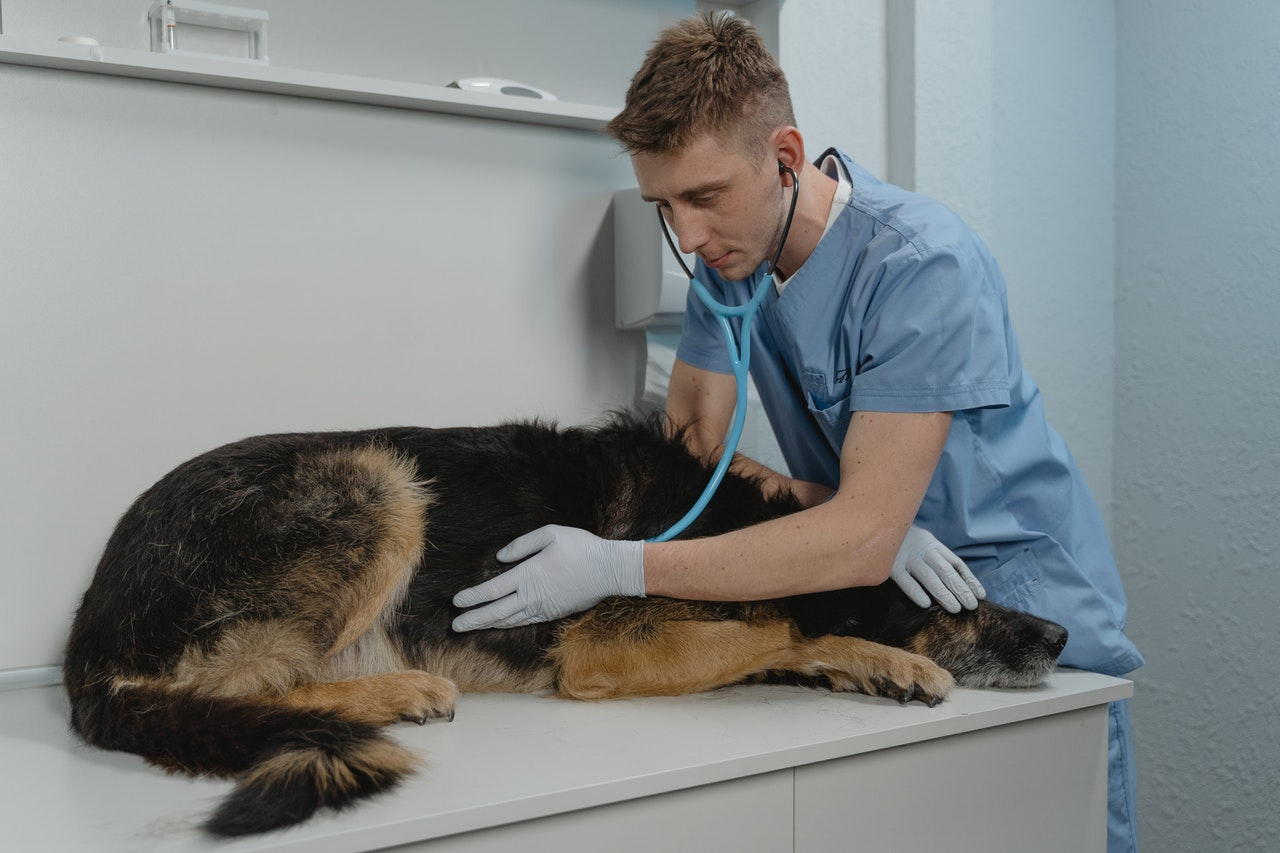
If you are unsure, you can ask your veterinary clinic for an appointment to discuss your dog’s weight.
In many clinics, veterinary nurses perform weight checks and can give advice on how to assess your dog’s body condition.
Not only that, but many dogs gain weight when they have a medical condition. Getting your pooch a once-over by a vet will help put your mind at rest that there’s nothing else going on.
How To Help Your Dog Lose Weight
The purpose of a diet in dogs, as with ourselves, is to find a healthy balance of nutrition and exercise that keeps your dog’s physique in good condition. It’s not about starving to get a quick change on the scales, and it’s not about a short-term solution and then going back to our old ways.
Usually, a dog becomes overweight because of eating too much and not getting enough exercise. The key to reversing these changes is to identify where the unhealthy habits are, and replace them with healthy ones. There are some common pitfalls in feeding dogs that can lead to them being overweight, and addressing these can be enough to bring your dog’s weight back under control.
No More Scrounging
For example, if you regularly give your dog leftovers or tidbits from the table in addition to their regular food, this is a source of excess calories for your dog. The solution, in this case, would be stopping the table scraps.
If you and your dog miss the interaction of hand-feeding treats, you could separate a handful of their dried diet from their daily allowance and use that as treats offered throughout the day.
Weigh It Up
Another common error is not knowing how much food your dog should be eating so that they actually get a lot more each day than they need. Before you know it, your dog is overweight or obese.
Most commercial diets have feeding guidelines on the packaging according to your dog’s weight. It’s best to feed for your dog’s ideal weight rather than their current weight. So if you know your dog needs to lose a few pounds, you should work out the daily food allowance for their target weight. Alternatively, there are calculators you can use based on the number of calories in your dog’s food.
Once you’ve worked out how much you should be feeding your dog per day, you then want to split that amount into several small meals to feed throughout the day. Mark the amount on a measuring cup so that you can easily dish out the right amount of food each time.
If the difference between what you are currently feeding and your new calculation seems huge, speak to your veterinary team before starting on the new feeding regime. In some cases, it’s best to make changes more slowly.
Pick The Low-Cal Options
A weight loss plan that involves a low-calorie diet could be the number one thing pet owners can do to help their dog’s weight loss.
While there are home-cooked options involving green beans and carrots, feeding obese dogs don’t have to be hard work. A number of dog foods offer weight loss formulas to help your dog reach their ideal body weight. These diets are designed to keep your dog feeling full, without having so many calories in them.
Blue Buffalo Fit & Healthy
Blue Buffalo is a natural dog food company that works to the motto “Feed them like family”. Their Fit and Healthy dry dog food is designed with wholesome ingredients to prevent excess weight gain and keep your dog at their ideal weight.
Blue Buffalo comes with guidelines on the amount of food you should feed your dog, so you can be confident you are giving as many calories as your dog needs and no more!
IAMS Senior Dry Dog Food
From the veterinarian-approved brand Eukanuba, IAMS is an affordable range of pet foods to help your dog stay at the peak of health. Their Senior Dog range is tailored to the metabolism of older dogs, so that your dog can lose weight despite being less active in their twilight years.
Containing high protein, low fat, and balanced calories, this is an ideal dog’s diet for all the older pooches out there.
The ORIGINAL ‘Did You Feed the Dog?’ (v. 4.0)
We know that look. The look that says your dog hasn’t been fed for days and is starving. All too often, in a busy household, that look can persuade you to give your dog an extra portion, just in case nobody else remembered to feed the dog today. Those extra meals add up and are a fast-track to weight problems for your pooch.
This simple yet clever device solves that problem. Simply slide the button to show everyone that the dog has, in fact, been fed, despite their claims to the contrary. Did You Feed the Dog is made of durable plastic and can be mounted anywhere. Simply place it near your dog’s food container or near their feeding bowl and you’re good to go!

Daily Multi for Dogs 30 Chews by Pet Naturals of Vermont [More]
Get Movin’ For Weight Loss!
Of course, what you feed your dog isn’t the only aspect to think about when we want to improve the health of our overweight dogs. Staying active is really important for maintaining fitness and losing weight. Daily exercise should be a regular part of your pet’s life, and dogs love the interaction they get from playing with you!
Here are a few of our dogs’ favorite games.
Nerf Dog 9″ Nylon Flyer
The same brand that gave you Nerf guns and other popular toy products partners with manufacturer Gramercy Products, and is now giving you Nerf Pet items that offer the same durability and functionality. Winner in the 2013 Pet Industry Recognition Awards, Gramercy has created the Nylon Flyer which is lightweight and easy to play with so you and your furry friend can have loads of bonding time!
Chuckit! Indoor Ball
Not in the mood to play outdoors? The Chuckit! Indoor Ball is a great way to keep your dog moving inside the house. An Amazon’s Choice product, this indoor ball is made soft and safe to protect both your furniture and your dog with its BounceFlex Core Technology, so you’ll both enjoy playtime.
Nina Ottosson by Outward Hound – Tornado Puzzle Game
From the original designer of dog & cat puzzle games since the 1990s, Nina Ottosson in the US is bought by Outward Hound and is providing dogs mental, physical, and cognitive ways to make feeding fun. This puzzle game encourages exercise for the dog’s mind, slowly feeding them to avoid obesity, and reduces their destructive behavior. Plus, it’s a great way to build a positive relationship with your furry friend too!
Hydrotherapy
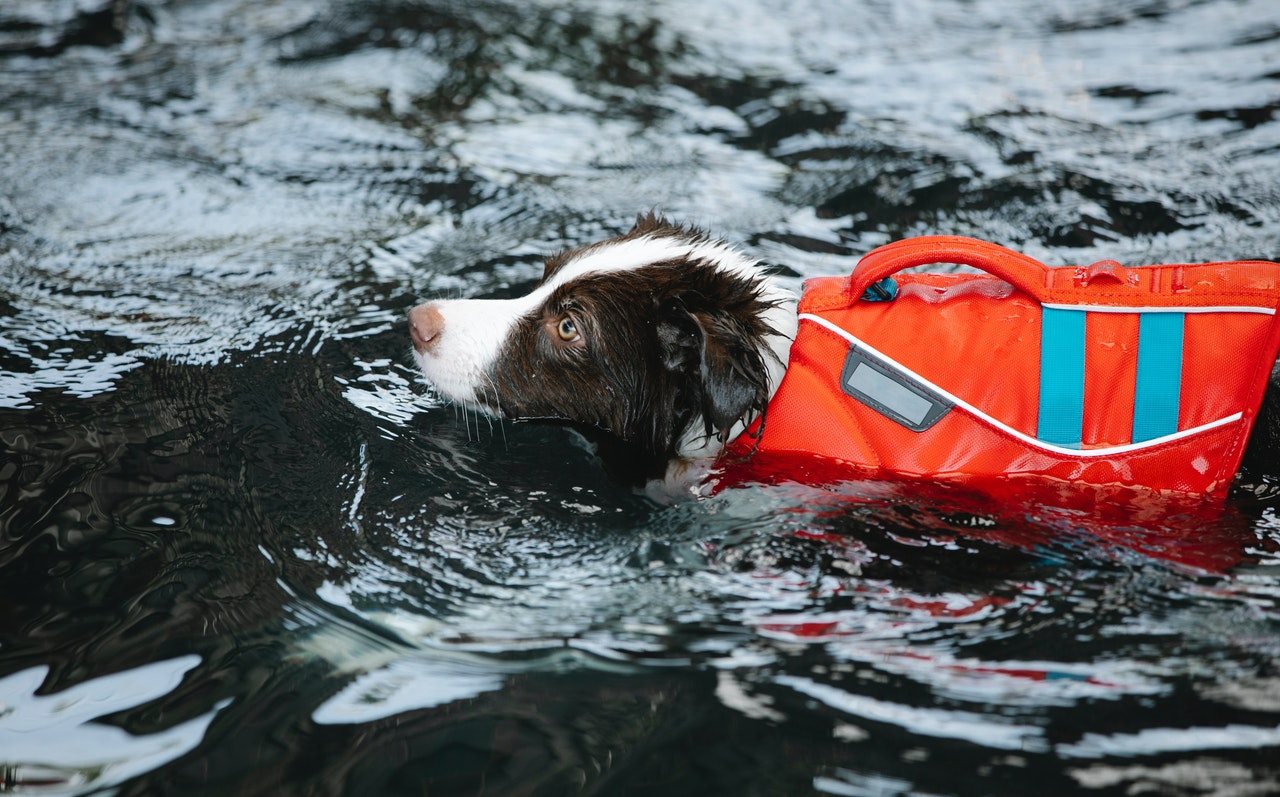
If your overweight dog struggles with exercise, some low-impact hydrotherapy could be a good first step to improving their cardio fitness. Although many dogs may be tentative at first, with a bit of practice they often come to love swimming. It can be a great way to help your dog lose weight and tackle its health problems.
Bottom Line
There’s no doubt that helping your dog lose weight takes long-term strategy and discipline. But knowing that you are helping them avoid weight-related illnesses should be a good motivator. Making some simple swaps to move towards healthier habits is a great first step, and monitoring how your individual dog’s body condition changes will help you keep them on track.
Got questions for Dr. Kate? Is there a topic you’d like tips and tricks on? Leave a note in the comments or drop us a line at info@thepetskingdom.com. You could be featured in Dr. Kate’s next column!