

By
Dr. Kate
The Pets Kingdom Vet
The holiday season is supposed to be one of celebration, and firework displays are a common feature of this time of year.

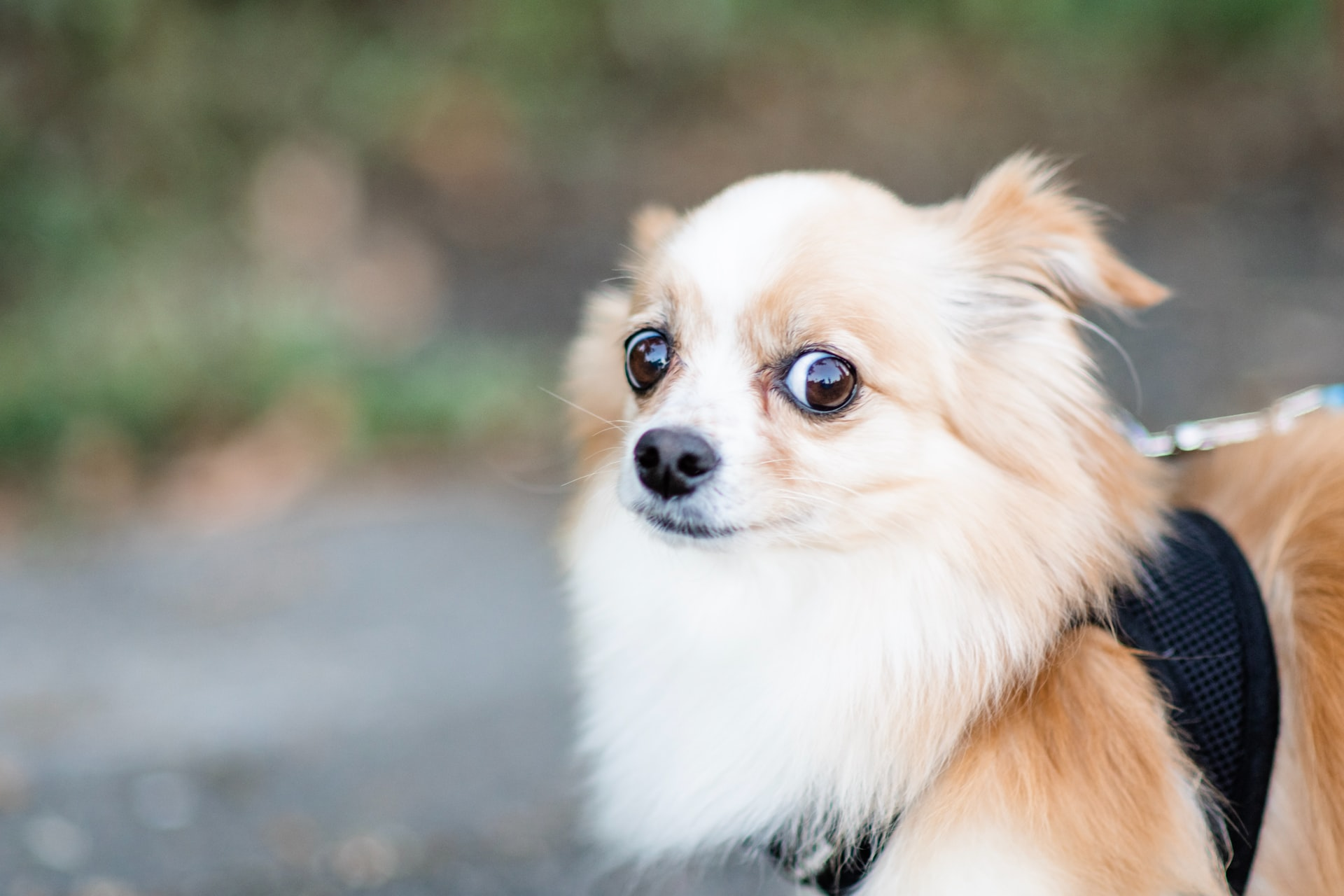
But for some dog owners, the prospect of fireworks brings up anxious memories – of a trembling pet hiding away, showing anxiety and fear response because of the loud noise. Sometimes, due to this fear and anxiety, a dog may develop destructive behavior, in their panic about the firework display noises they can hear outside.
In this article, we lead you through the three key steps in helping your dog manage their firework phobia – and show why, as a caring owner, the best time to start is now!
How Common Is Noise Phobia In Dogs?
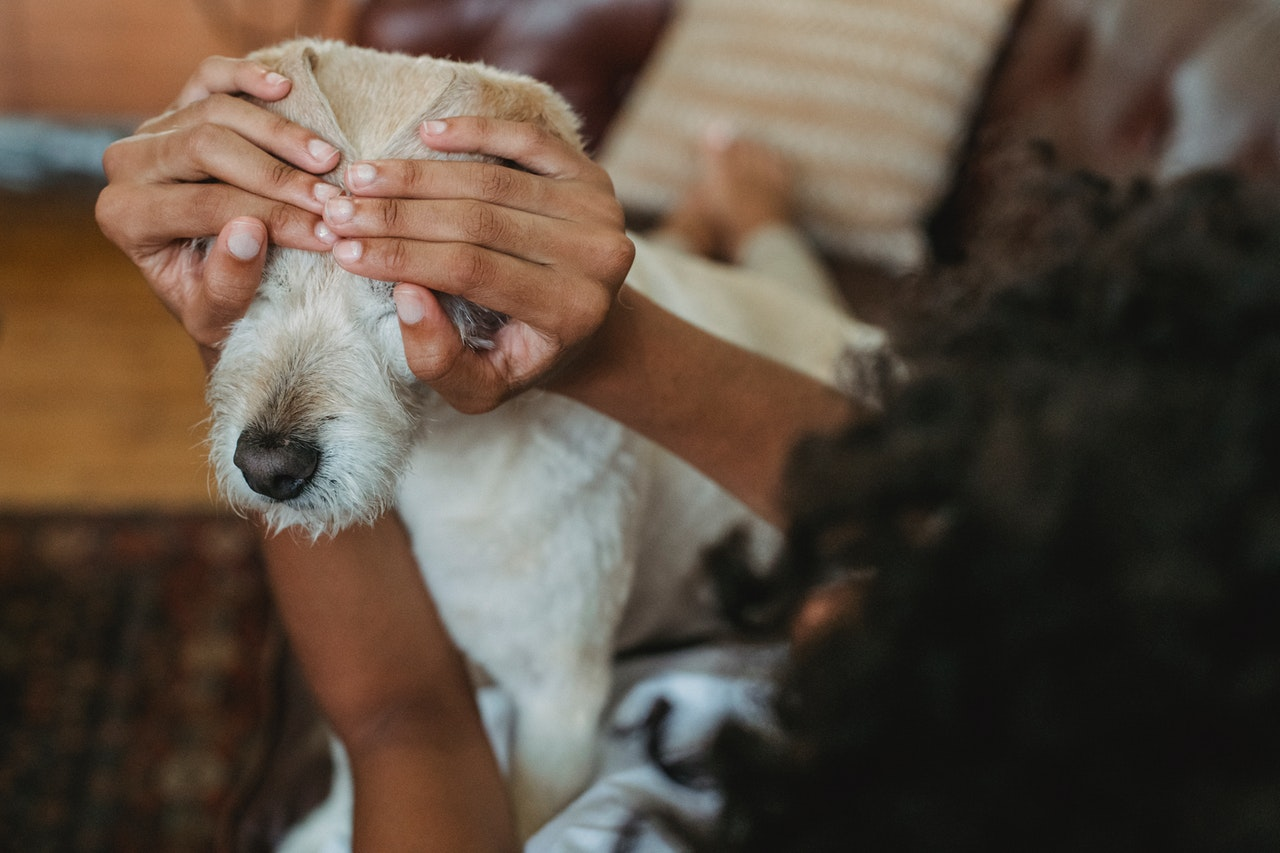
Noise phobias in dogs are very common. Some dogs may show fearful behavior during storms, called canine thunderstorm phobia, or storm phobia. Others react to gunshots or other loud noise. And that includes fireworks.
It’s estimated that nearly 50% of dogs show symptoms of anxiety and distress during a firework display. Veterinary clinics and veterinary behavior specialists are inundated with people seeking help for their dogs in the days leading up to major holidays. It can feel like a burden with no solution.
The truth is, there are things you can do to help your dog become more comfortable around fireworks, and maybe even overcome their anxiety for good. The down-side? It’s not a quick fix, and the week leading up to the big event is not the best time to start.
Why Are Dogs Afraid of Fireworks?
Let’s take a look at what causes these phobias in the first place. It’s not surprising that every type of animal, including people, has an instinctive fear of loud noises. Unless you fully understand what is causing these overhead explosions, it is reasonable to think that you might be in serious danger!
It’s the same for our dogs: the unpredictable loud noises make them think they are under attack. Their response of hiding, panicking, alerting the family, and generally being distressed is quite a normal reaction to this perceived threat.
Of course, fireworks aren’t actually dangerous to us, and there is no harmful outcome. In time, many dogs gradually understand that these noises are not associated with pain or danger, and the fear gently subsides.

What Should You Do If Your Dog Is Afraid Of Fireworks?
Unfortunately, dogs with high levels of anxiety do not pick up on the fact that these firework noises are not associated with any real harm. Instead, it seems that the sound of the fireworks reminds them of this intense fear that they experienced, and this association escalates the fear into a phobia.
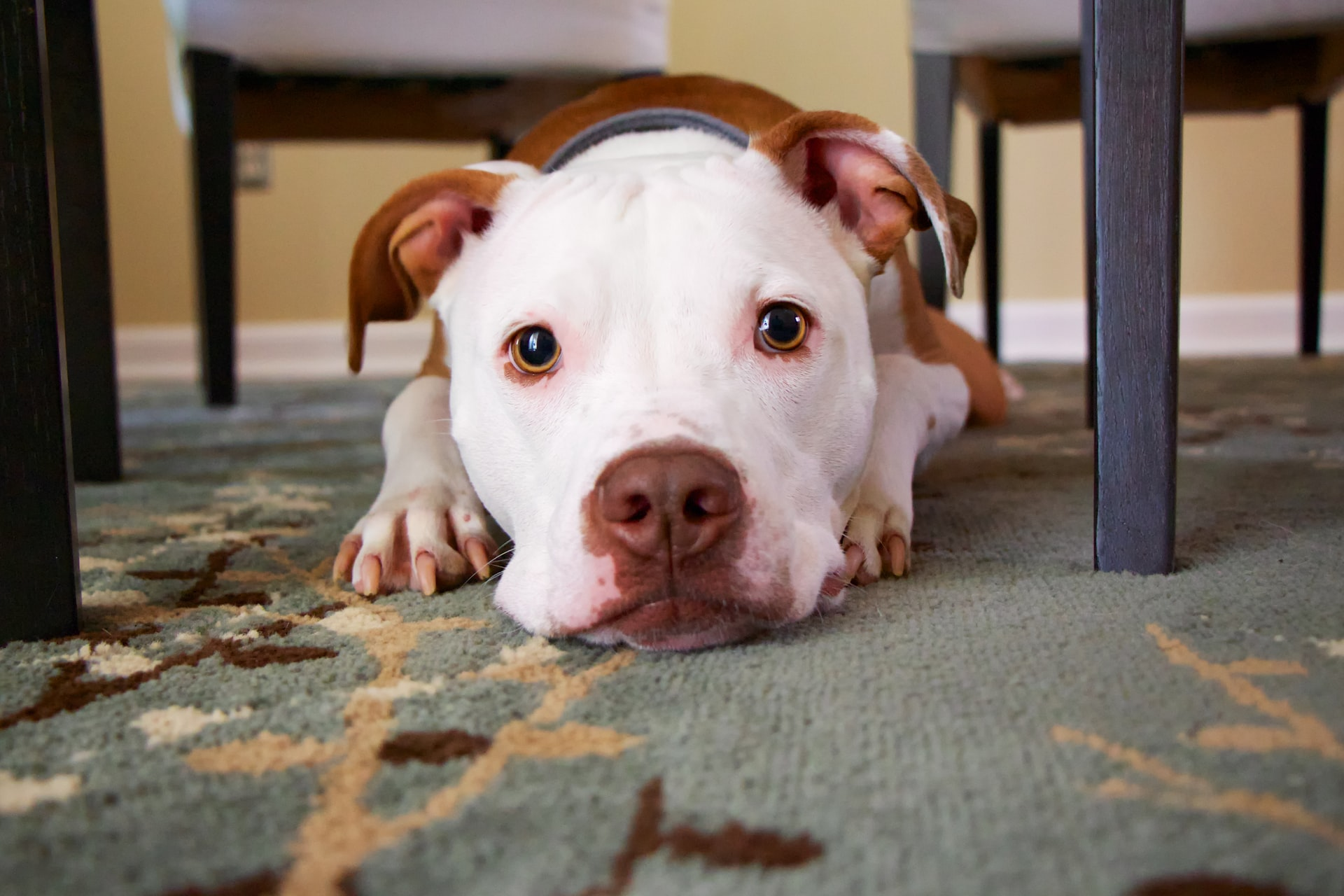
Sometimes even our own attempts to comfort our pets make things worse, because in doing so we may seem worried, which reinforces our dog’s perception that something is wrong.
So what can you do to make your dog more comfortable in firework season? Here is our three-step guide to getting this phobia under control.
Step One: A Den
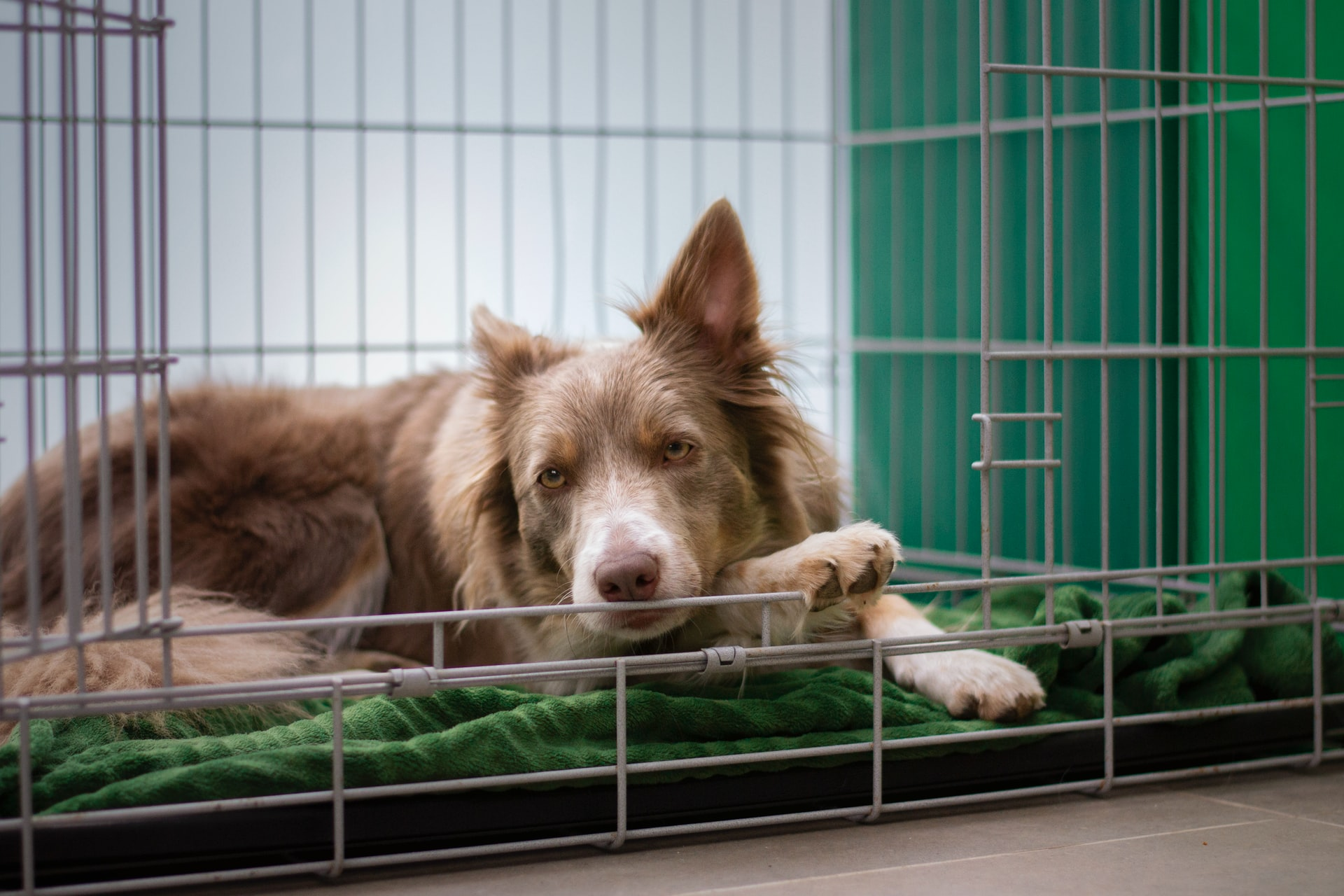
The first step is preparing a den. This is a safe place for your dog to hide when they feel afraid so that they feel secure and have some control over the situation. Ideally, this should be somewhere they already like to hide, somewhere they have access to at all times and relatively protected from the sounds outside.
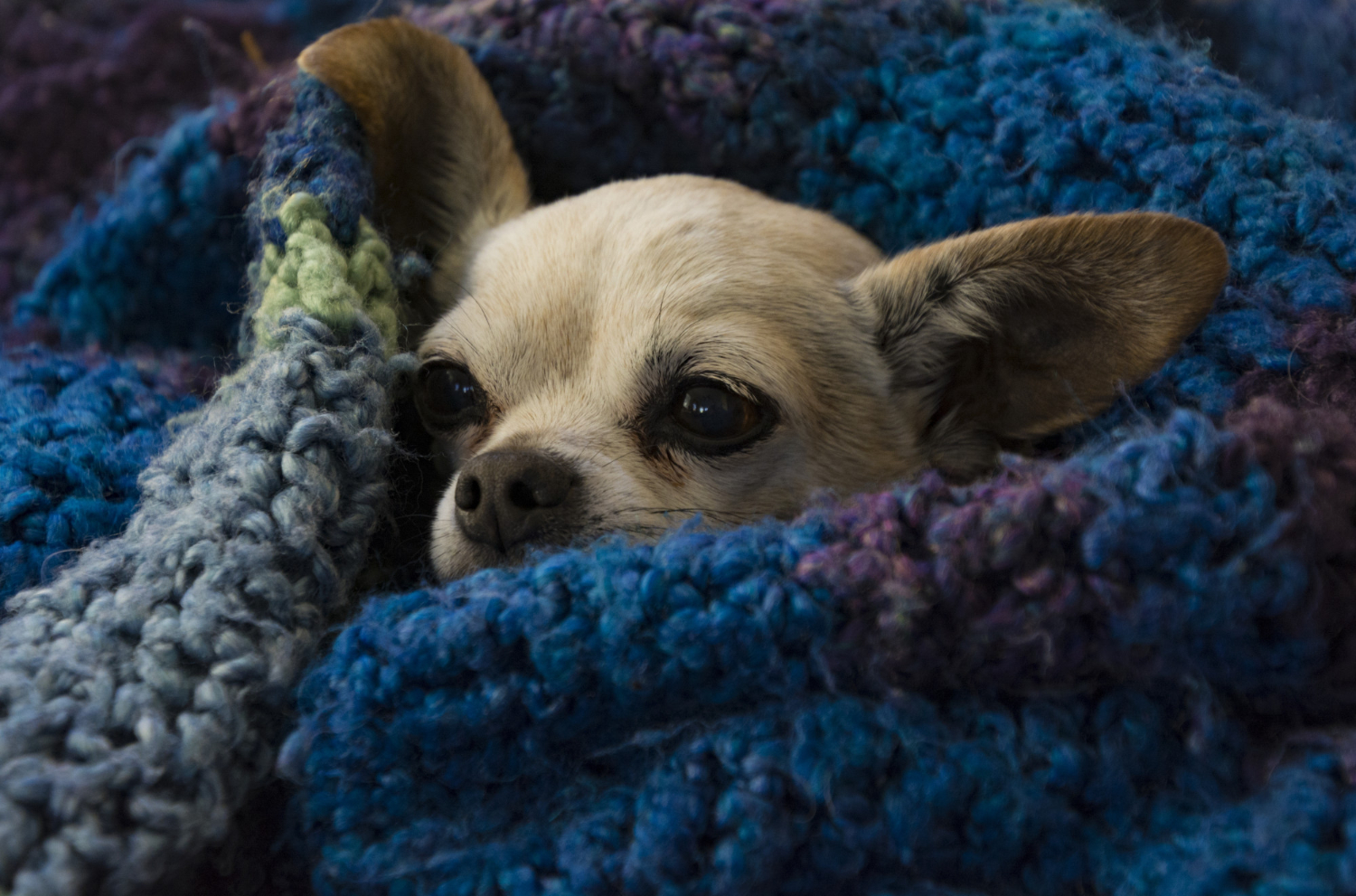
You can prepare your dog’s den with soft blankets for them to snuggle in and hide under, familiar objects like favorite toys, and food, and water.
Step Two: Desensitization and Counterconditioning
Step two involves helping your dog acclimatize to the sound of fireworks, and come to understand that they are nothing to be scared of. This is called desensitization therapy.
How Does Desensitization Therapy Work?
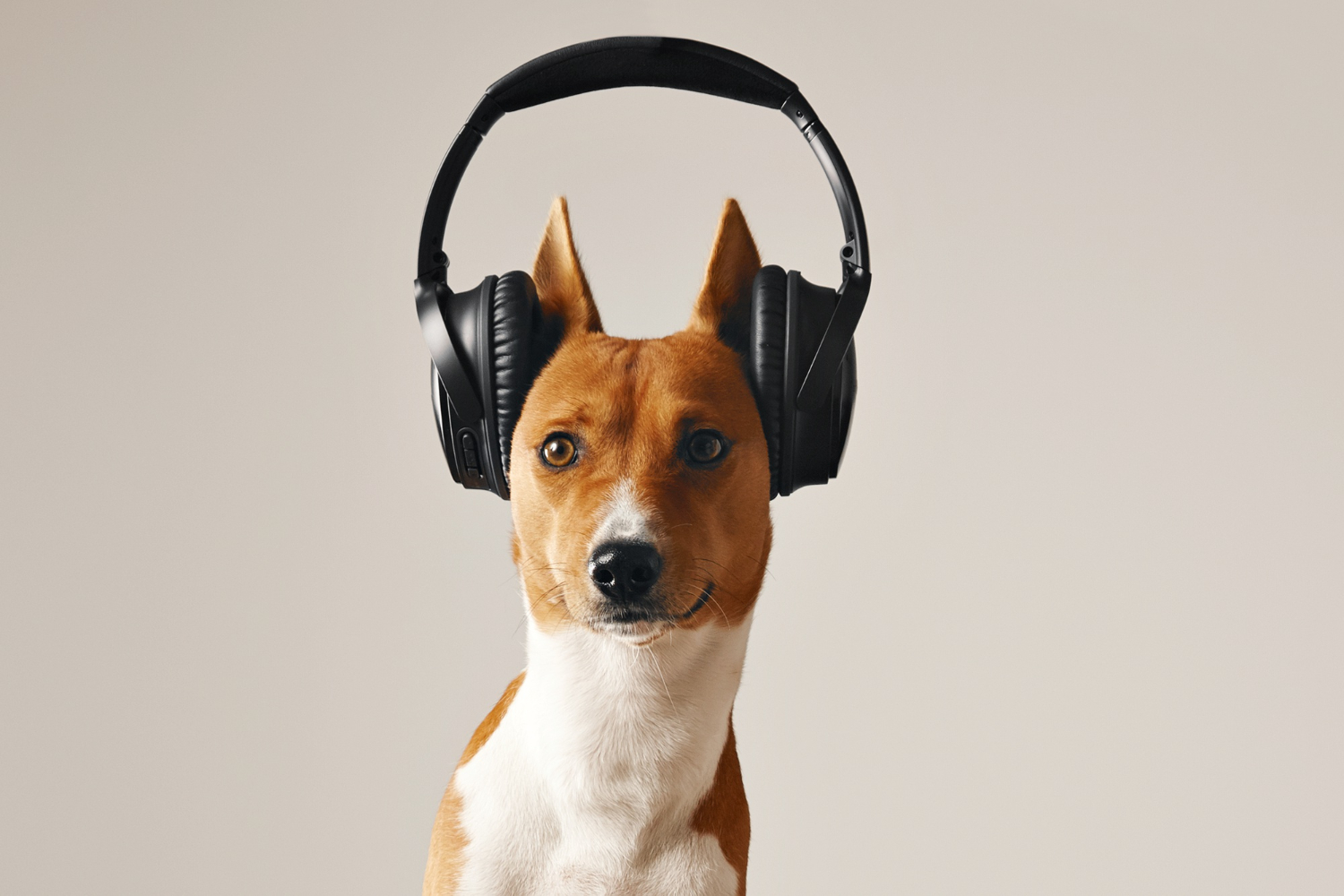
This therapy takes the form of a music track that contains similar sounds to fireworks. If you play the track at a very low volume during your everyday activities, your dog will gradually get used to these firework-like stimuli. They will watch what their owners are doing, and they will see that you remain calm, carrying on your daily activities as if nothing is wrong. This teaches your dog that the firework bangs are not actually anything to be scared of.
How Do I Start With Desensitization?
Desensitization tracks, and detailed guides on how to use them, are available online. It’s important to follow the instructions of the desensitization program carefully, and gradually your dog will be able to tolerate increasing volumes of the firework sounds.
Many desensitization programs also incorporate counter conditioning. This is defined as associating a positive result with exposure to a scary stimulus. In practice, it means that when you hear a noise on the track, you offer your dog a treat. This is a form of training where your dog starts to associate the scary noise with a positive result – the treat! Over time, this reduces your dog’s fear.
The desensitization process culminates ideally in your dog being completely habituated to the sound of fireworks. Those whizzes and pops start to sound just like white noise. When the big night arrives, your dog is relaxed and comfortable – meaning you can also enjoy the firework displays!
How Quickly Does Desensitization Work?
The downside of desensitization therapy is that it takes time. For best results, the program should take place at least two to three months before firework season begins, so that your dog can fully adjust to the noises of the fireworks at a low volume before encountering them at full blast. So this isn’t an overnight quick fix, and pet parents who want to start preparing for their dogs’ firework fear the week before the event won’t have time to put this into practice.
Step Three: Controlling Anxiety
The third aspect of managing firework phobia is helping to control the anxiety. Traditionally, people think of this as using a veterinary medication, but there are also hormonal products and even aromatherapy regimes that can have positive effects.
Hormonal Products for Fear And Anxiety
We don’t always have to reach for medications to treat a fearful dog. One of the best alternatives out there is a hormonal product that can help anxious dogs to relax.
Based on the hormone released by female dogs when they are nursing their puppies, dog appeasing pheromone (or DAP) helps dogs to relax and feel calm. DAP products come in the form of sprays and diffusers. They work best if they are introduced in an environment where your dog already feels relaxed and calm, such as the den you have created for them, before being used in a stressful situation.
Later, when confronted with a fearful situation, the presence of the pheromone will trigger calming pathways within your dog that help to counteract the anxiety they are experiencing.
Herbal Treatments For Fear of Fireworks
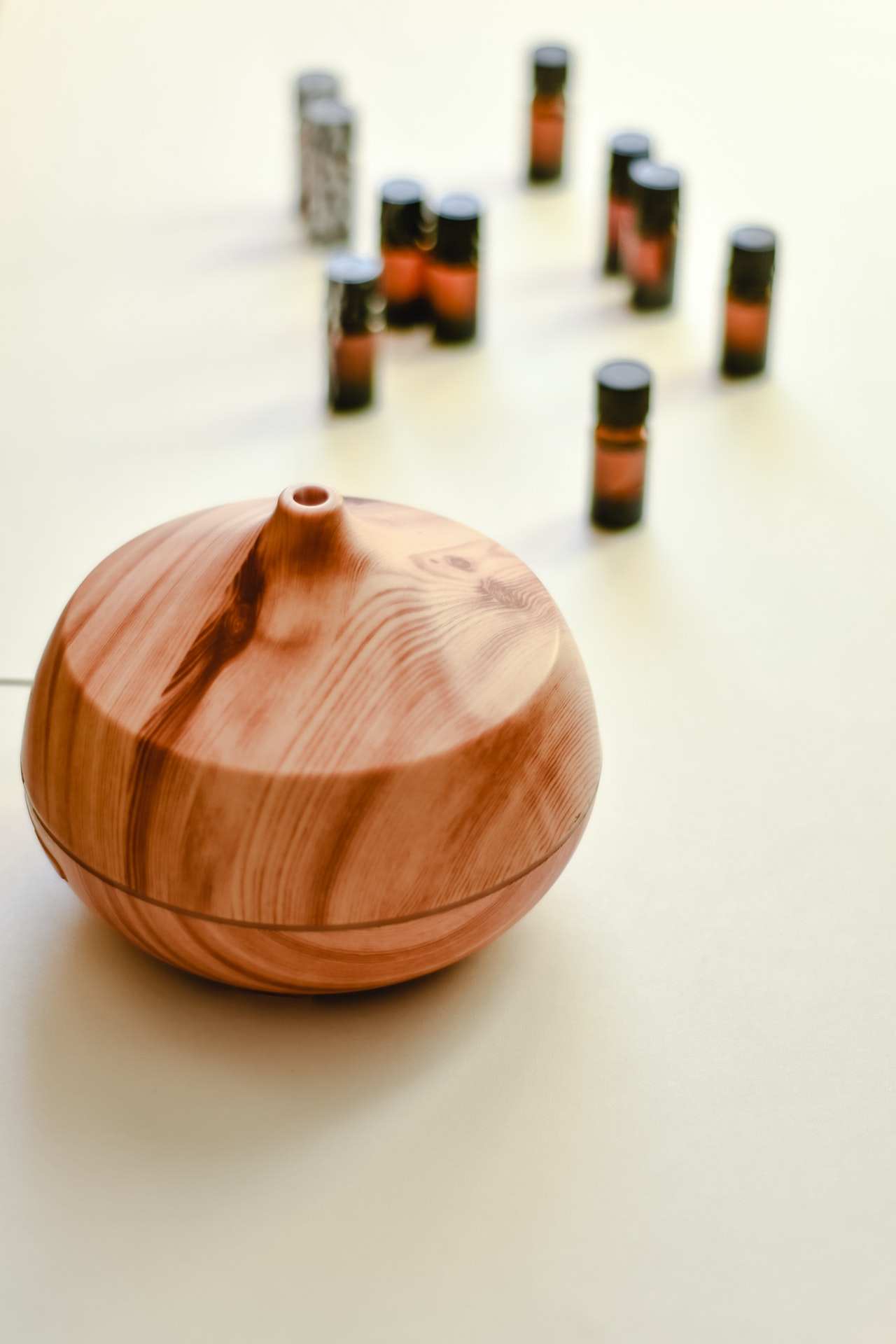
Other natural products include homeopathic sprays and aromatherapy diffusers that can also help calm some dogs and reduce their anxiety.
There are even herbal treats and supplements that can help ease your dog’s anxiety and promote relaxation.
Always use products that are intended for use in animals, as some aromatherapy oils can be toxic to dogs even at low doses.
Try an Anxiety Wrap
An anxiety wrap works by applying pressure to your dog’s body, in a similar way to a big cuddle. The idea that wrapping your dog in a tight coat would reduce their anxiety used to be looked on with cynicism. But there is now solid evidence supporting the use of an anxiety wrap in the management and treatment of noise phobias.
In one study, vets looked at the effectiveness of the anxiety wrap on dogs with canine thunderstorm phobia. An open-label trial found that the wrap had a calming effect on nine out of ten dogs. It isn’t always effective on the first use, but by the time the dog has worn the wrap five times, their owners noticed a great reduction in stress when exposed to a noisy stimulus.
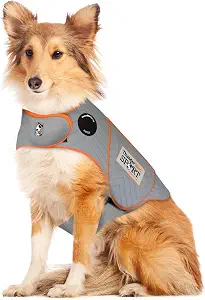
Our favorite is the ThunderShirt, as it comes in a range of sizes. The company also offers a money-back guarantee if your pooch doesn’t feel calmer wearing their anxiety wrap.
Want a bit more for your money? Try the CozyVest 3-in-1 that combines anxiety wrap, aromatherapy diffuser, and calming sounds all in one!
Prescription Medicines
If your dog’s fear doesn’t respond to these gentle steps, it may be time to make a visit to your vet or veterinary behavior specialist to talk about treatment.
Anxiety medications come in several forms, and decisions are best made in consultation with your veterinarian to make sure you are taking the right approach for your dog.
Some drugs that have commonly been used for canine anxiety actually act as immobilizers: whilst they may make your dog appear to be unresponsive to the firework sounds, inside your dog is still panicking but unable to move. So although we are trying to do the right thing for our dogs, it can actually make anxiety worse in the long term.

Other drugs have better modes of action, addressing the chemical pathways of anxiety in the brain and even causing temporary amnesia. This means your dog won’t remember anything about the fireworks display, so that the fearful behavior doesn’t become entrenched in your dog’s memory.
Bottom Line
Firework phobias in dogs are certainly an added stress, both for the dogs themselves and for us as their owners. But with a careful and strategic approach, we can help to reduce the impact of this anxiety. Try some of the tips above to move towards a holiday season that is more relaxed and enjoyable for the entire household.
Got questions for Dr. Kate? Is there a topic you’d like tips and tricks on? Leave a note in the comments or drop us a line at info@thepetskingdom.com. You could be featured in Dr. Kate’s next column!
The Science Behind Our Recommendations
- Riemer S. Not a one-way road-Severity, progression and prevention of firework fears in dogs. PLoS One. 2019;14(9):e0218150. Published 2019 Sep 6. Available here.
- Cottam N, Dodman NH, Ha JC. The effectiveness of the Anxiety Wrap in the treatment of canine thunderstorm phobia: An open-label trial. J. Vet. Behav. 2013;8(3):154-161. Available here.
- Landsberg GM, Beck A, Lopez A, Deniaud M, Araujo JA, Milgram NW. Dog-appeasing pheromone collars reduce sound-induced fear and anxiety in beagle dogs: a placebo-controlled study. Vet Rec. 2015;177(10):260. Available here.