
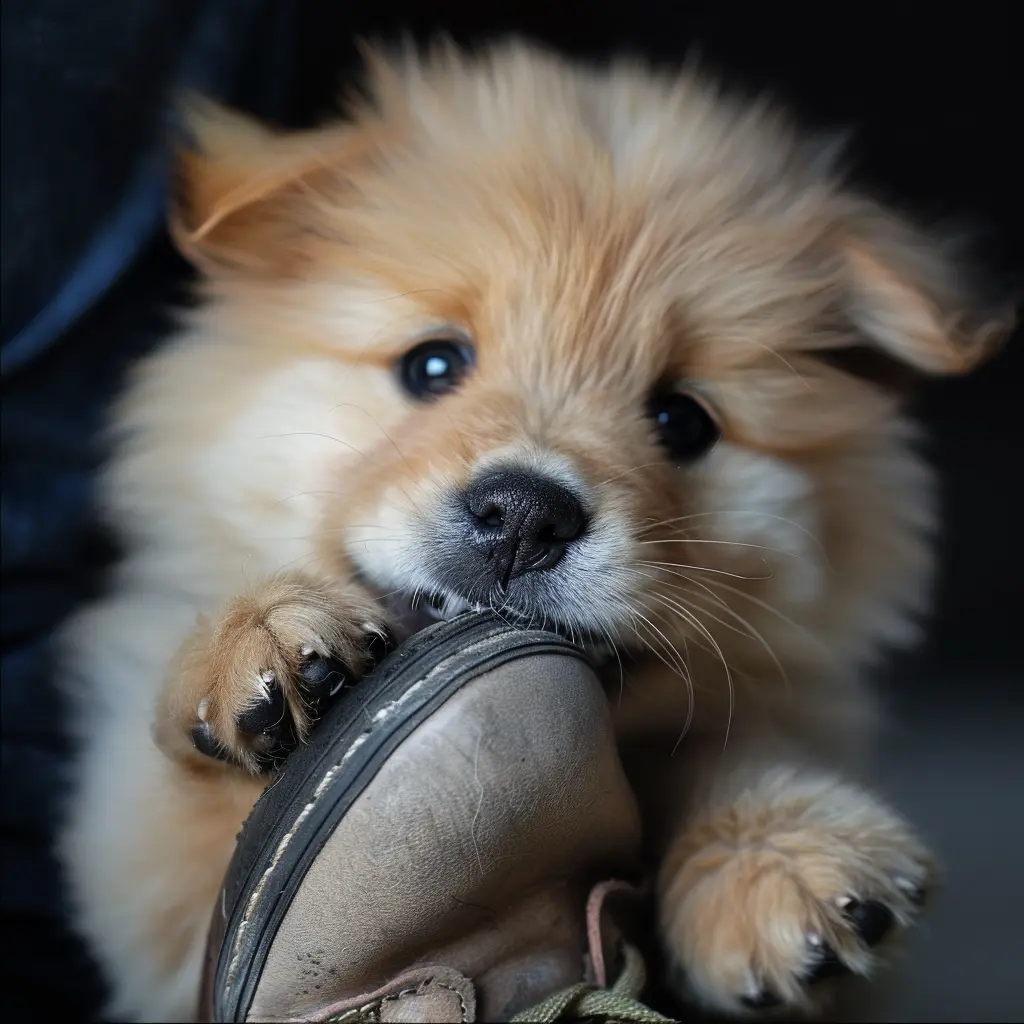
Ever bring home a bouncing ball of fur and wonder, “What on earth do I do now?” Puppies are adorable, but let’s be honest, they can be a whirlwind of chewed shoes and potty accidents. The good news is, with a little understanding of their development stages, you can navigate puppyhood with confidence and set your furry friend up for success. This article will be your guide to understanding puppy development stages, from those tiny, wobbly first steps to their (hopefully!) well-mannered adulthood.
Before bringing home your new furry friend, it’s also a good idea to review some new puppy checklists to make sure you have all the essentials ready. This preparation will help you feel more confident as you embark on your puppy parenthood journey. Well, let’s dive in!
The Challenges of Puppyhood: From Frustration to Furever Friends
Puppies are like tiny, adorable tornadoes. They chew, they bark, they have accidents – and sometimes, it can feel overwhelming. But remember, these behaviors are a normal part of their development.
Think about it from their perspective: they’ve been ripped away from their littermates and everything familiar. They’re scared, confused, and trying to make sense of their new world. With patience, positive reinforcement, and a good understanding of their development stages, you can turn those puppy blues into a lifetime of furry friendship.
Puppy Development Stages

Puppies go through a series of distinct developmental stages, each with its own challenges and opportunities. Here’s a closer look at what to expect:
- Neonatal Stage (0-2 weeks): Brand new to the world, puppies are completely dependent on their mother for milk and warmth. Their senses are still developing, and they spend most of their time sleeping and nursing.
- Transitional Stage (2-4 weeks): The world starts to come into focus! Puppies open their eyes and ears, begin to wobble around on their feet and start playing with their littermates. This is a critical time for socialization, as they learn how to interact with other dogs.
- Socialization Stage (3-12 weeks): This is a crucial period for shaping your puppy’s personality. They’re like little sponges, soaking up everything around them. This is the prime time for puppy training and introducing them to new people, places, and experiences in a positive way. During this critical period, it’s important to focus on implementing basic puppy training tips to set a strong foundation for good behavior.
- Pre-Adolescent Stage (4-6 months): Puppy playtime! This stage is all about exploring their independence and testing boundaries. Expect chewing, barking, and maybe a little bit of stubbornness. Consistent training and plenty of positive reinforcement are key during this time.
- Adolescence (6-18 months): Uh oh, the teenage years! Hormones kick in, and your once sweet puppy might turn into a rebellious teenager. They may challenge your authority, forget their training, and start marking their territory. Don’t despair! Puppy training with rewards and patience will help you navigate this stage.
- Adulthood (1-2 years): Congratulations! You’ve made it through puppyhood! By now, your dog should be well on their way to becoming a well-mannered companion.
Large vs. Small Breed Puppy Development: It’s important to note that development can vary between large and small breeds. Small breeds tend to mature faster physically and mentally, while larger breeds may take longer to reach adulthood.
Don’t Make These Puppy Training Mistakes!
Even the most prepared pet parent can make mistakes. Here are a few common pitfalls to avoid:
- Skipping Socialization: That adorable, playful puppy needs to be exposed to new people, places, and experiences in a positive way during the socialization stage. Skipping this step can lead to fearfulness and aggression later in life.
- Not Using Positive Reinforcement: Harsh punishment can damage your bond with your puppy and make them fearful. Positive reinforcement training with rewards is the most effective way to train a happy, well-adjusted dog.
- Inconsistency is Key (to Failure): Puppies thrive on routine. Inconsistent training schedules and mixed messages will only confuse your pup and make training more difficult.
The Science Behind Puppy Development: Nature vs. Nurture

Understanding the science behind puppy development can help you raise a happy, well-adjusted dog. Here’s a breakdown of the key factors at play:
- Genetics: Just like humans, puppies inherit certain traits from their parents. These traits can influence their temperament, energy level, and even their trainability. However, genetics aren’t destiny! The environment your puppy grows up in also plays a huge role in shaping their personality.
- Critical Periods: There are specific windows of time during puppyhood when they are most receptive to learning and socialization. The socialization stage (3-12 weeks) is a critical period for developing good social skills. Missing this window can make it more difficult for your dog to get along with other dogs and people later in life.
- Brain Development: A puppy’s brain is like a sponge, rapidly absorbing information and forming new neural connections. Providing them with positive experiences, mental stimulation, and opportunities to learn will help their brains develop properly.
FAQs
How much sleep does a puppy need?
Puppies need a lot of sleep! The exact amount will vary depending on their age and breed, but most puppies need around 18-20 hours of sleep per day.
When can I start crate training my puppy?
You can start crate training your puppy as early as 8 weeks old. Make sure the crate is a positive space for your puppy, and use the right puppy training tips to help them adjust.
How often should I feed my puppy?
The frequency of feeding will depend on your puppy’s age and breed. Generally speaking, puppies under 4 months old will need to eat 3-4 meals per day. Talk to your veterinarian for specific recommendations for your pup.
When can I start taking my puppy for walks?
You can start taking your puppy for short walks outside once they have had all their vaccinations. This is usually around 12-16 weeks old.
What supplies do I need for a new puppy?
Having the right supplies on hand can make your puppy’s transition to their new home much smoother. Check out some new puppy checklists to make sure you’re fully prepared before bringing your furry friend home.
Raising Your Rockstar

Raising a puppy is a journey filled with love, laughter, and maybe a few chewed slippers. By understanding their development stages, using positive reinforcement training, and providing them with plenty of love and socialization, you can set your furry friend up for a lifetime of success. Remember, patience and consistency are key! The time and effort you invest in your puppy now will pay off in spades for years to come. So, grab your treats, remember to be patient, and get ready to experience the incredible journey of raising a dog!